


23 Dec Beauty Trends Forecast 2026 — What’s In and Out
If 2025 reminded us of anything, it’s that the beauty industry isn’t just skin deep- but biology, behaviour, and trust matter. 2025 will probably be remembered as the year of the Australian sunscreen controversy, which unravelled public trust in Australian sunscreens. But this year also saw other controversies and drama- who can forget e.l.f. Cosmetic’s disastrous commercial; and notable beauty brands like Youthforia, REN Clean Skincare and Ami Colé folding. At the same time, 2025 saw the continued rise of Asian beauty routines, tween skincare and regenerative claims like polynucleotides.
Related blogposts:
Explainer: Australian Sunscreen Failing SPF Tests
5 Beauty Industry Scandals & Controversies
These trends in 2025 signal my 2026 forecast for the beauty industry. Against a backdrop of consumers being more discerning and reactive, I’m expecting 2026 consumer sentiment to be more cautious and brands taking note that their long term credibilities and alignments can make or break their futures.
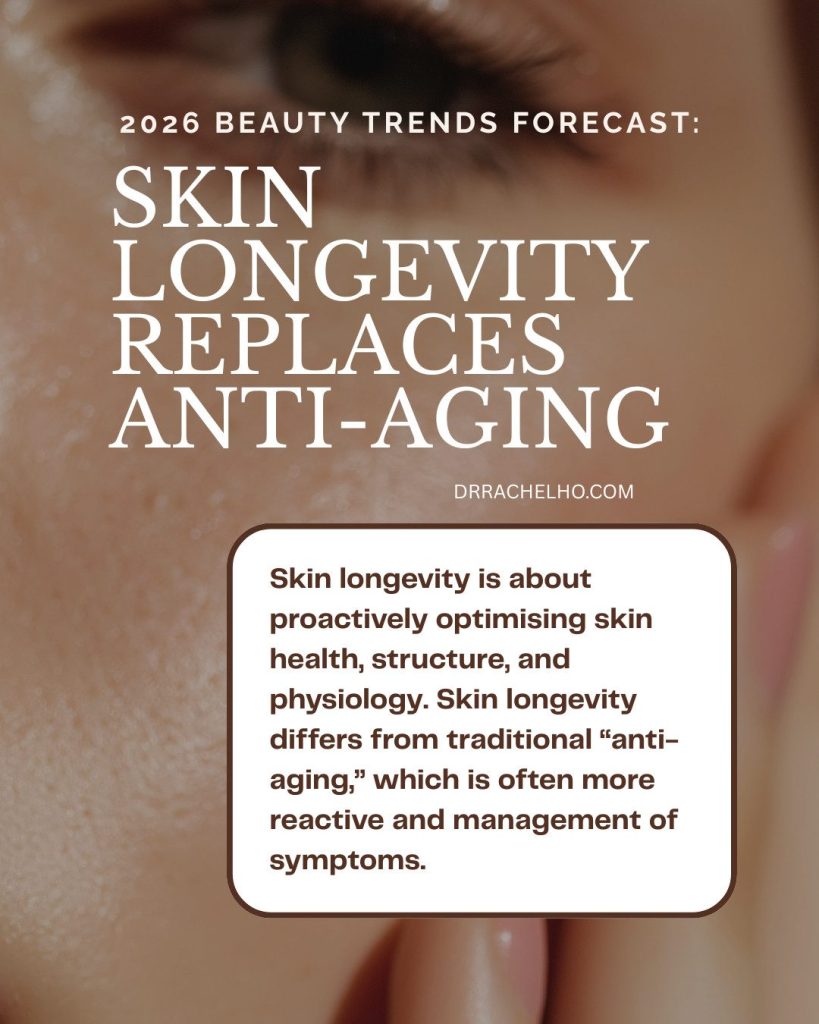
In: Skin longevity; Out: Anti-Aging
“Skin longevity” replaces “anti-ageing”
In 2026, conversations around “anti-aging” will shift towards “skin longevity”, as overall longevity and heathspan grow as bigger macrotrends. Fundamentally, skin longevity is about proactively optimising skin health and slow ageing, structure, and physiology. Skin longevity differs from traditional “anti-aging,” which is often more reactive and management of symptoms: fade the dark spots, remove the wrinkles, lift the sag. I’ve explained about skin longevity in detail in this guide What Is Skin Longevity? A Doctor’s Guide to Healthier Skin Aging.
Related blogposts:
Skin Longevity Science: Key Lessons from the NUS Geromedicine Conference 2026
Are You a Sagger, Sinker or Wrinkler?
How to Treat Sagging Skin Without Surgery
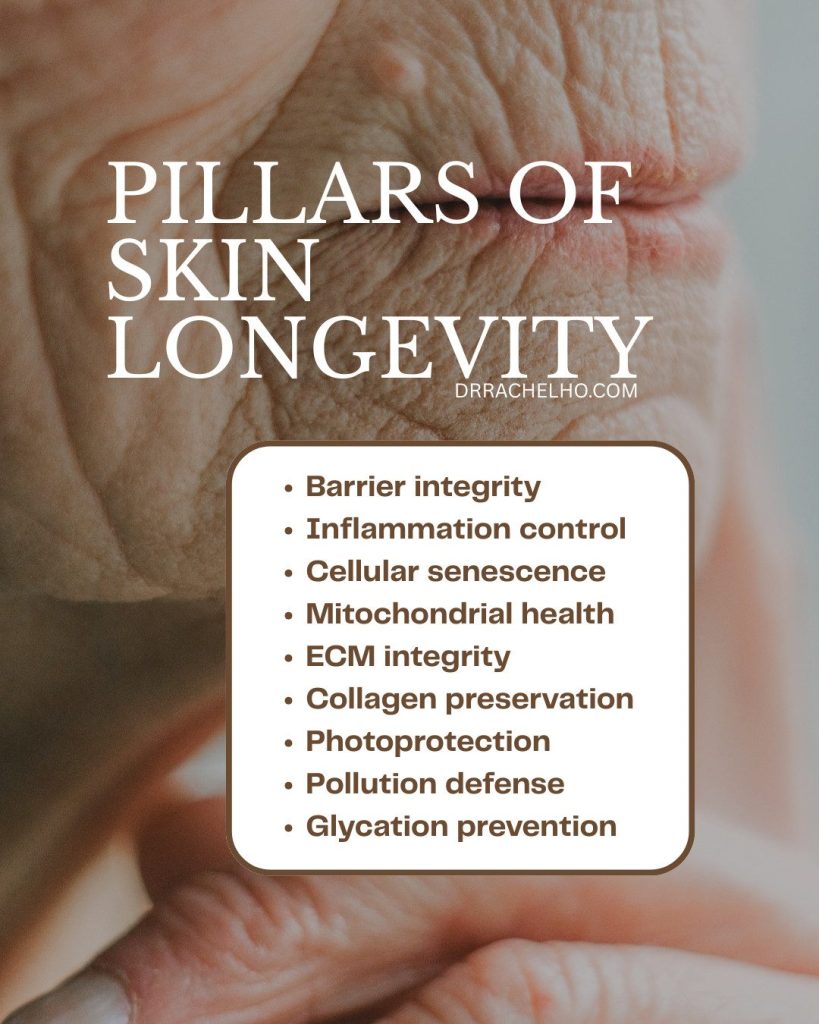
Factors affecting skin longevity
Currently interventions for skin longevity consist of photoprotection (e.g. sunscreen), skin barrier repair, control of inflammation and structure renewal (e.g. biostimulators)1. Research into senotherapeutics and other measures to mitigate the biological processes of skin aging, such as genomic instability, telomere attrition, epigenetic alterations, loss of proteostasis, stem cell exhaustion, mitochondrial dysfunction, and inflammaging are still in its early stages1-3. In 2026, I predict that peptides, collagen biostimulators, PDRN and use of AI diagnostic tools to estimate risk trajectories or “biological age” will gain traction as the narrative for skin longevity grows.
Related blogposts:
Sunscreen Reviews 2024
How to Repair Your Skin Barrier
Why Are Peptide Skincare Products So Expensive?
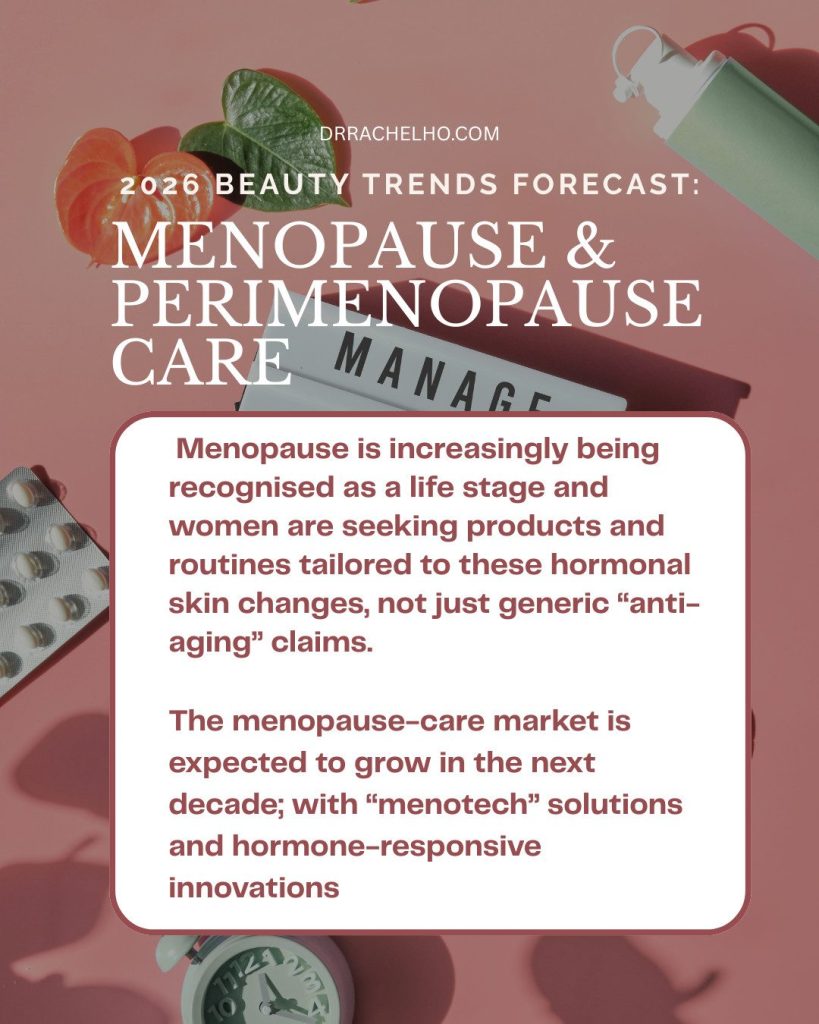
Perimenopause and menopause care become accessible
Stigma around menopause and perimenopause is gradually being lifted as conversations around this life stage and menopause care are finally becoming more mainstream, with downstream effects on the beauty industry.
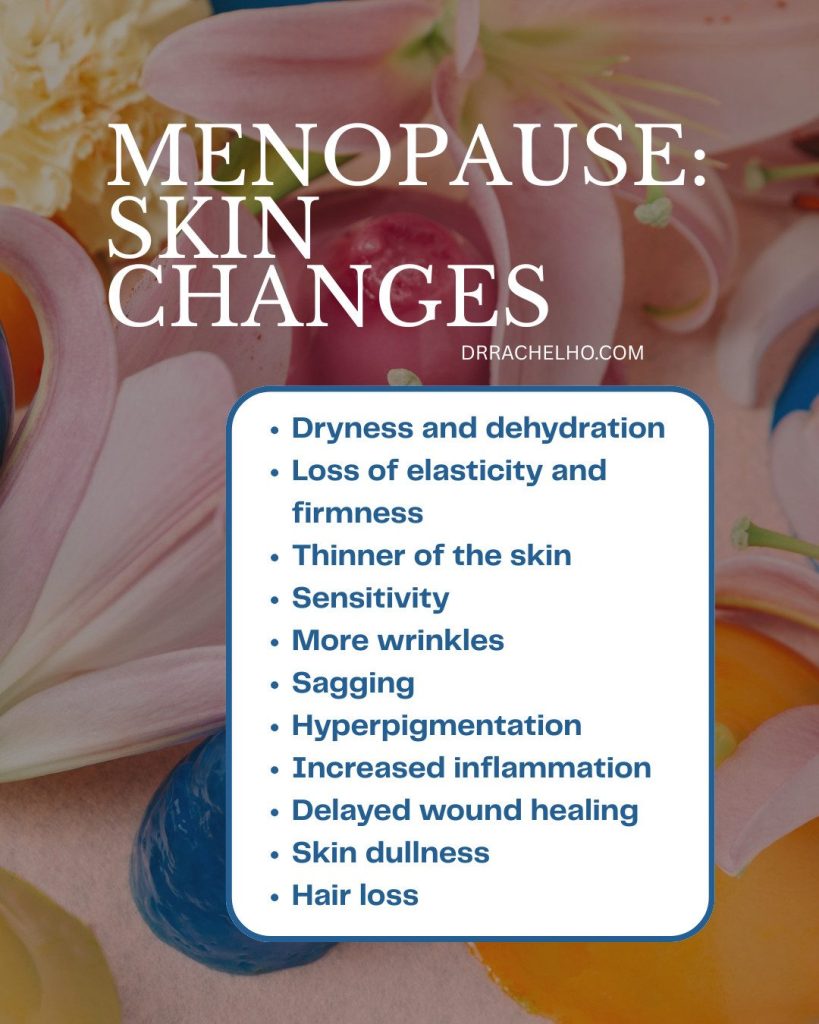
Skin and hair change during menopause and perimenopause
From a doctor’s perspective, this shift is long overdue. Afterall, hormonal changes are not a “trend,” but simply, physiology. The symptoms of perimenopause and menopause (e.g. dryness, skin thinning, wrinkles, sagging, poor wound healing and reduced vascularity) are due to the decline in estrogen hormones in this life stage. Unfortunately, narratives around menopause in the past decades have been laced with ageism and negativity. The reframing of menopause in mainstream media has become more nuanced in recent years; and the US FDA’s removal of ‘black box’ safety warning menopause hormone therapy in November 2025 has also made the public more empathetic towards conversations around the menopause.
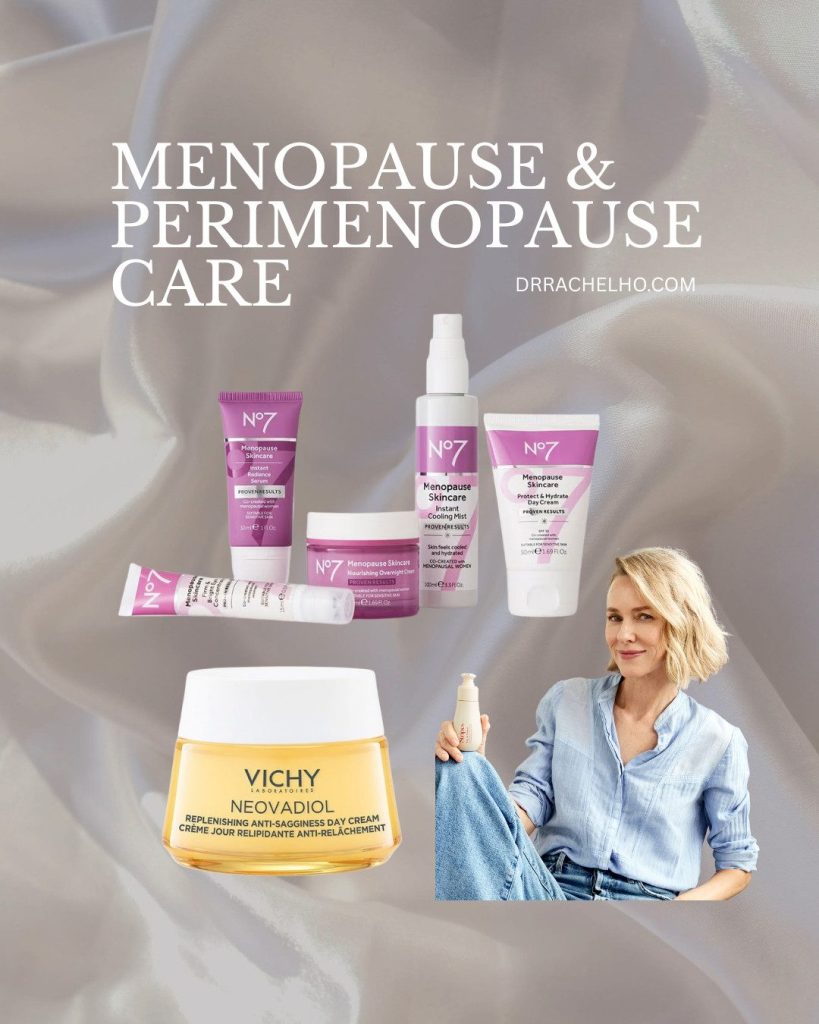
No7 Menopause skincare range, Vichy Neovadiol cream, Naomi Watts and Stripe skincare
In the beauty industry, menopause care has become a segment that retailers and brands are catering to. Retailers like Ulta and Sephora launched menopause categories and carry products positioned around symptoms like hair loss, vaginal dryness and hot flushes from menopause-positioned brands like Womaness and Joylux. Another pattern I’m noticing is barrier repair and skin renewal skincare being explicitly reframed for perimenopause/menopause. Examples include Vichy Neovadiol (Meno 5) and No7 Menopause Skincare, which are positioned for menopausal and perimenopausal skin but really contain classic barrier repair and moisturisers that can also benefit non-menopausal skin.
Related blogposts:
Beta Glucan Skincare: New Hero for the Skin Barrier?
How to Repair Your Skin Barrier
In 2026, I predict that more brands will expand their offerings for menopause care for this relatively untapped demographic of consumers. It is also likely that interest in medical interventions for menopause related symptoms will also grow as an outcome.
Skincare in 2026 gets smart and sensorial
Skincare is about functionality; but for many, the sensorial aspect of their beauty regime- think textures, fragrances- is an important aspect of their skincare choices. Some of 2025’s viral beauty microtrends of 2025 took this sensorial aspect of skin care to new, albeit gimmicky standards like boba creams, bubble moistures, collagen masks and whipped cleansers.
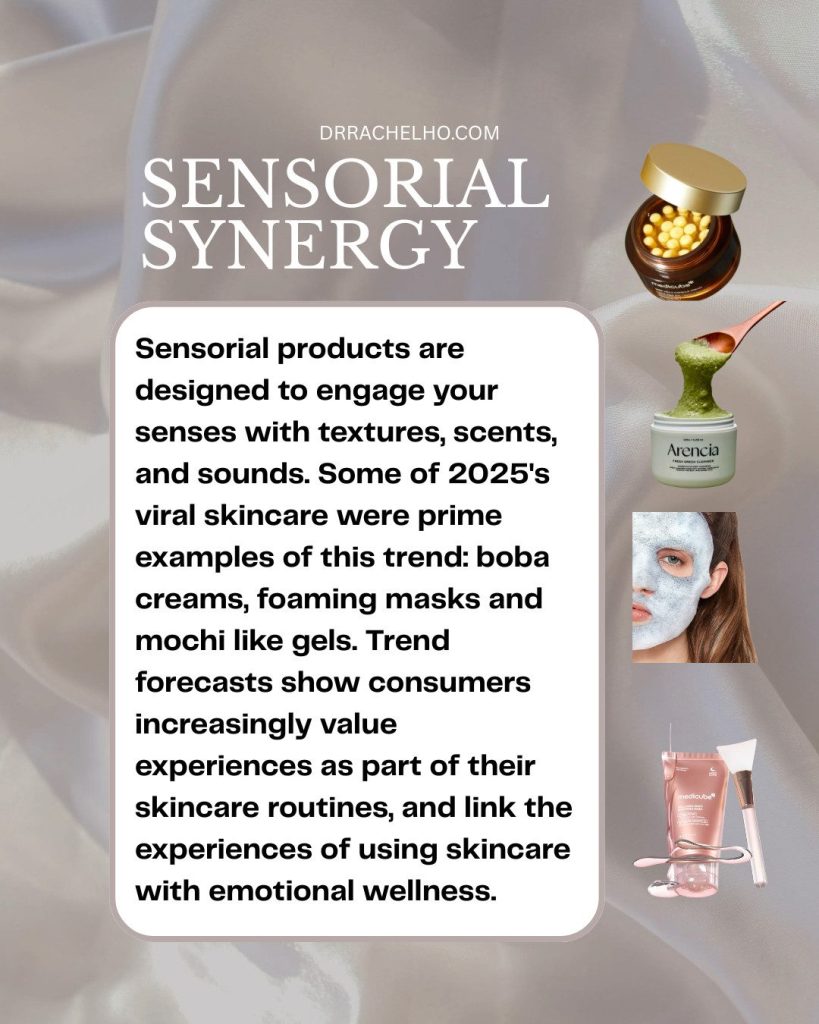
Sensorial skincare examples: Medicube Deep Vita C Capsule Cream and Collagen Night Wrapping Mask, Arencia Mochi Cleanser, Bubble masks
It’s not hard to understand their sensational appeal on social media; and in 2026, Mintel predicts this “Sensorial Synergy”- where beauty products will also be driven by experiences with innovations in fragrance, textures and even sounds4. Sensorial experiences also fit a clinical reality where treatments or products that elevate a user’s experience tend to improve compliance; and this matters when a sufficient duration of usage is required for benefits to be seen. I won’t be surprised if beauty offerings in 2026 become sophisticated, with layered sensorial experiences; such as neurocosmetics and adaptogens that influence the skin-brain axis.
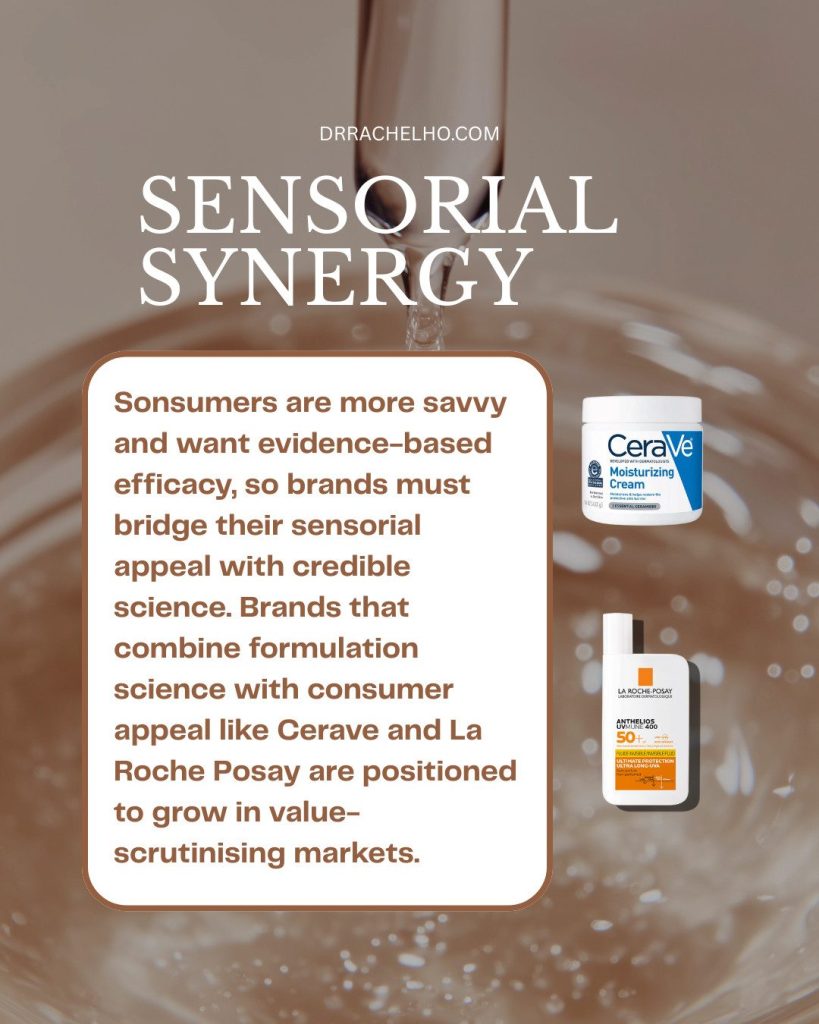
Against this backdrop of viral sensational, sensorial beauty products, consumers are also becoming more informed and intentional, with a preference for skincare backed by scientific evidence and prioritising efficacy and value5,6. McKinsey explicitly notes consumers are selectively spending and scrutinising value across categories7. Brands with a strong science or dermatologist backed branding like Cerave and La Roche Posay are well positioned for this consumer trend in 2026. This consumer spending pattern; and consumer perception of expert-backed efficacy is perceived as a key marker of prestige will give pressure to the luxury beauty to follow suit. I believe that luxury brands can remain competitive by supporting their sensorial experience and storytelling with proprietary innovations and personalisation.
Fragrance in 2026: scent wardrobes and sensory layering
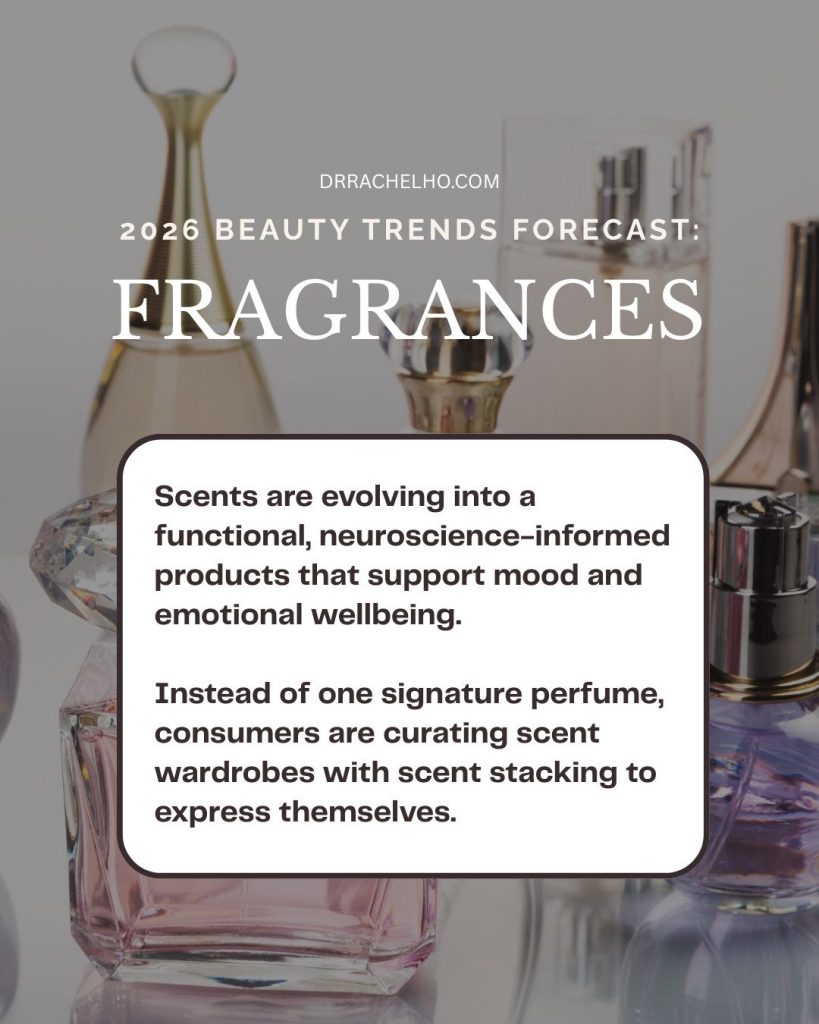
The growth of fragrance dovetails with the sensorial skincare wave. Fragrance was a bright spot in 2025 with global fragrance sales growing approximately 6% in H1 2025, exceeding makeup and skincare in the same period8. In its State of Beauty 2025 report, NielsenIQ called fragrance the fastest-growing category in the global beauty market9. In a breakdown of spending patterns in fragrance by Circana, spending on luxury fragrances and more affordable, trial mini/mini/discovery sets grew by double digits10. One fragrance brand I’m watching closely in 2026 is Lore, helmed by alumni from Rhode, Milk Makeup and Youth to the People (sounds like a dream team). Lore’s storytelling, emotive naming of its scents (“Lovely and a little twisted”, “Somewhere but nowhere”) and strategic social media marketing have crafted a niche appeal for Lore, while at affordable pricepoints- I’m curious to see if the hype around Lore can translate into success for the brand.
Likely fragrance trends in 2026 include fragrance layering, with Pinterest naming “scent stacking” as one of its predictions as more mainstream magazine frame fragrances as part of personalisation and communication of senses. As an extension, I project that functional fragrances i.e. fragrances supported by neuroscience to improve relaxation and moods will gain more traction.
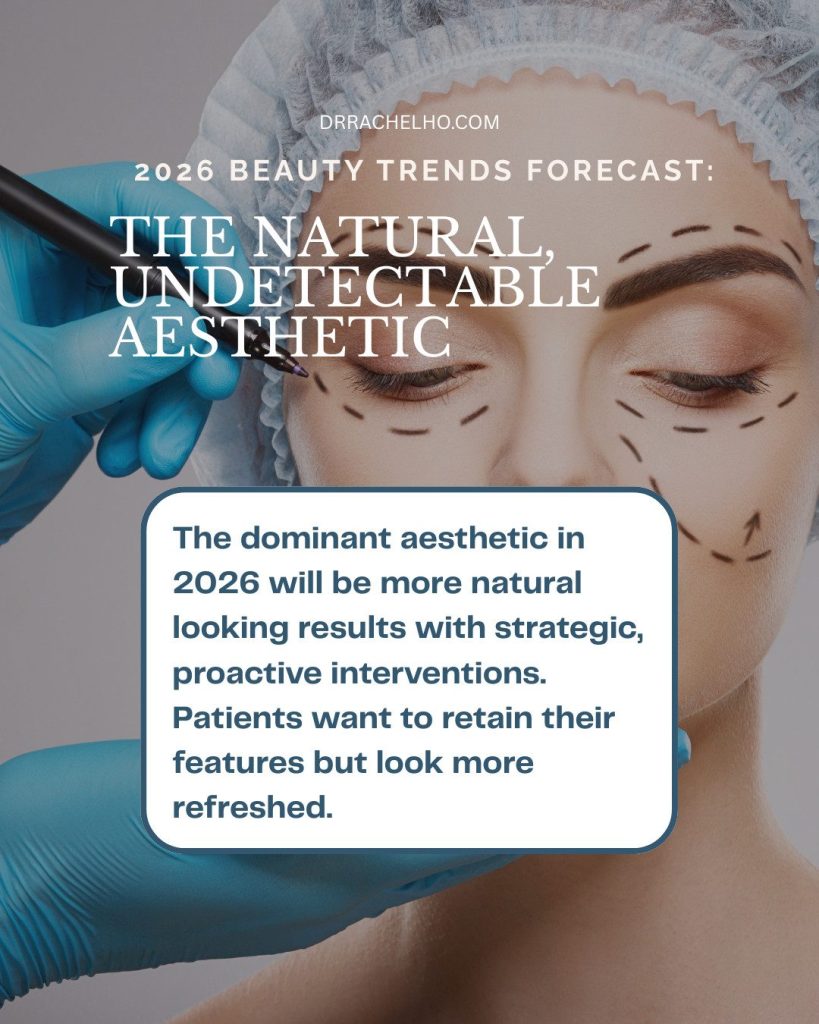
The dominant aesthetic in 2026: “undetectable work” and skin health; less overfilled/ Instagram face
In 2026, the dominant aesthetic will be more natural, undetectable and proactive. In the realm of aesthetic treatments; patients are moving away from overfilled, overdone faces and embracing skin quality, structural balance and subtle volumisation with more natural, undetectable outcomes.
ISAPS’ 2024 global survey shows non-surgical skin tightening up 38.9% and chemical peels up 33.3%, as compared to 202311. With this data we can extrapolate that interest in biostimulators, collagen-supporting treatments, and combination plans to grow in 2026. One contributing factor for this shift is the backlash against overfilled faces and the sensationalisation of dermal filler complications in mainstream and social media. We also saw this in the transformations of Anne Hathaway, Emma Stone and Kris Jenner, which were largely embraced by many for their visibly refreshed, lifted visages without looking distorted.
Related blogposts:
Telltale Signs of Too Much Filler Injections
Too Much BTX: Botulinum toxin Gone Wrong
5 Aesthetic Treatments to Avoid
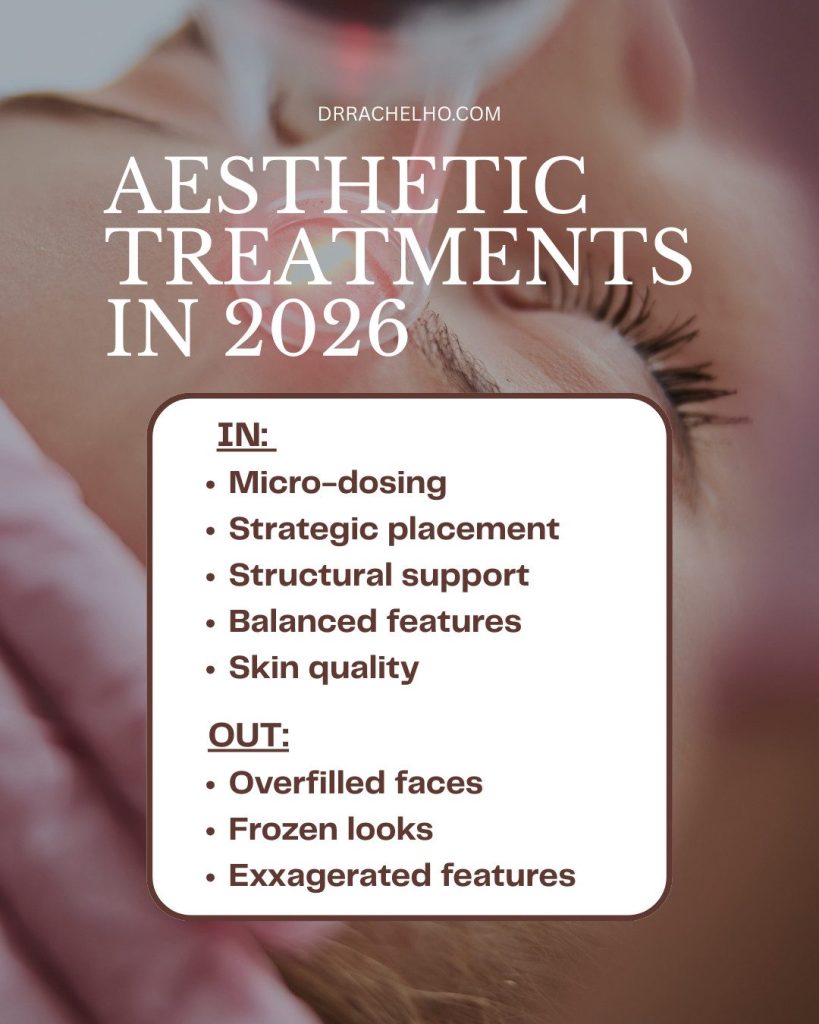
In my clinical practice, I am also seeing this trend among patients who are requesting for more subtle outcomes and micro-dosing (e.g. Baby BTX and non-surgical lifting treatments) to address signs of ageing and retain their facial features and expressions. To achieve these goals, holistic, staggered approaches (e.g. gradual full-face enhancement instead of isolated filling of regions; or combination treatments) are sometimes preferred for synergistic outcomes and preservation of facial harmony. You might be surprised, but sometimes, less is sometimes more; and the best work is often undetectable.
Related blogposts:
Preventative BTX and Baby Botulinum Toxin
Hybrid Cooperative Complex Injectable Moisturiser
Are You a Sagger, Sinker or Wrinkler?
Regenerative ingredients and procedures: the hype gets audited
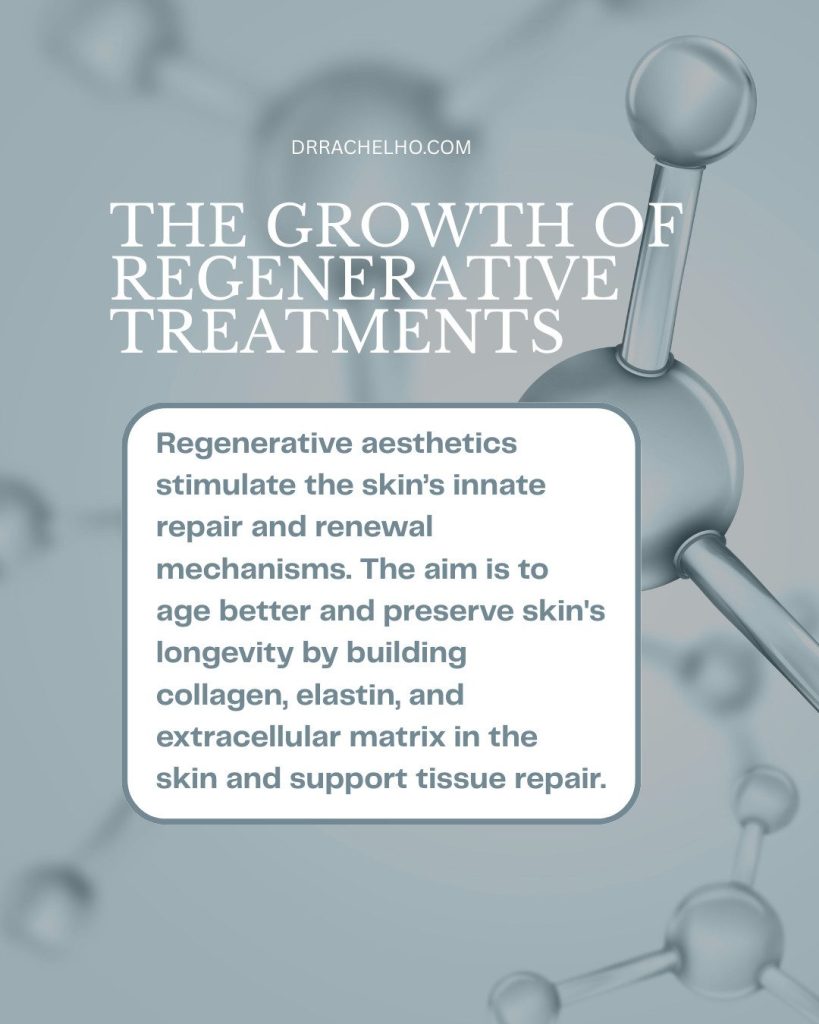
“Regenerative” was one of the most commonly used buzzwords in 2025—but it really is a broad term that spans everything from plausible science to marketing hype. Prime example: polynucleotides/ PDRN skincare; which has evolved in-clinic treatment into mainstream skincare, especially in K-beauty; but also J-beauty and C-beauty, largely driven by viral culture.
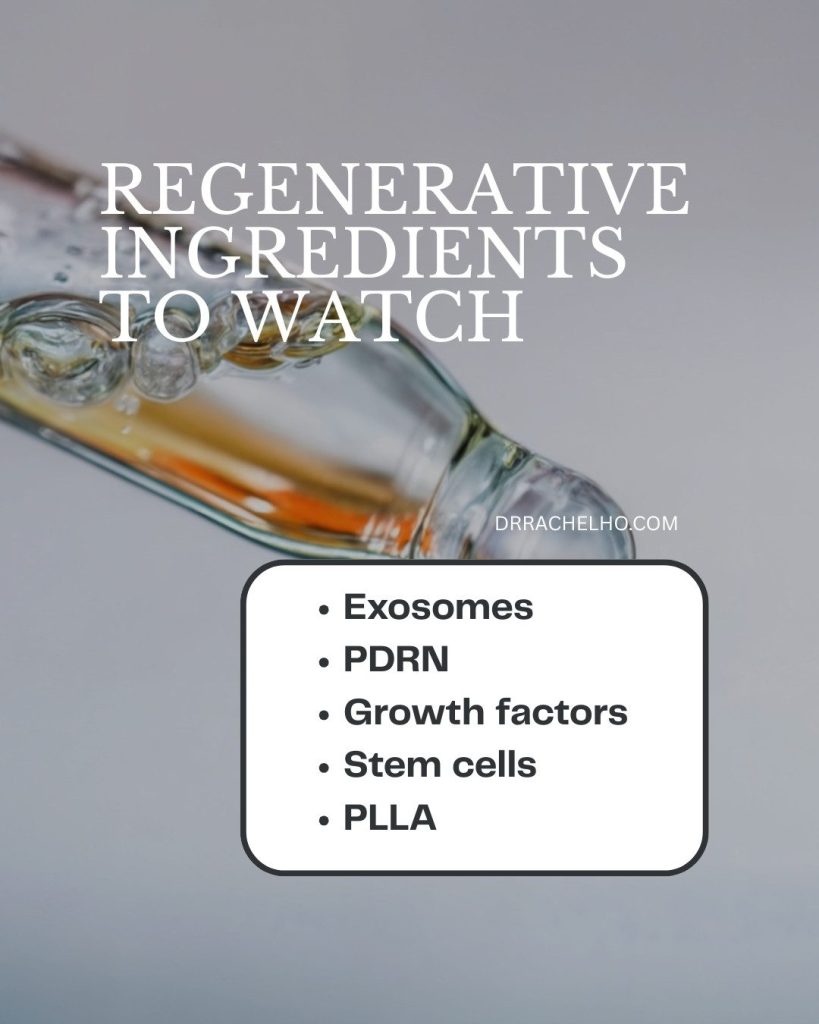
Regenerative skin treatments typically target collagen production and cellular repair to rejuvenate and heal damaged skin. Popular methods of regenerative skin treatments in Singapore include collagen biostimulators and bioremodelling treatments, microneedling and resurfacing lasers to enhance texture, elasticity, and firmness. For patients wanting to improve their skin health, and longevity and prioritise natural looking results, regenerative treatments represent a good option for skin repair and quality; for long term sustainability.
In 2026, I expect interest in regenerative skin treatments to grow; with evidence based examples well positioned to trend. At the same time, buzzy, viral cosmetics will lean in on this trend with exaggerated claims (e.g. exosomes, plant PDRN, growth factors). Some of these options like PDRN skincare may complement in-clinic treatments in calming the skin; but are unlikely to truly regenerate the skin.
Related blogposts:
PDRN Skincare and Salmon Sperm Facials
Is Vegan or Plant PDRN as effective as Salmon PDRN?
Exosome Skin Treatments: the Buzzword in Dermatology
Skincare brands for children
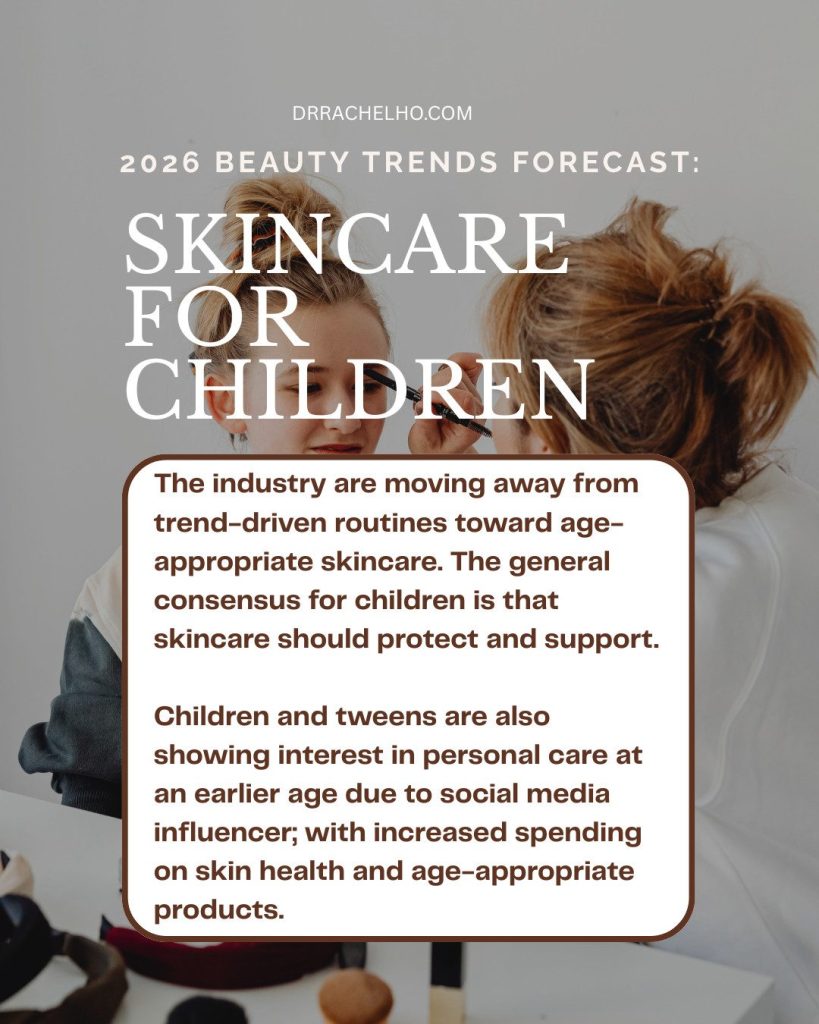
Another ethically sensitive trend is the continued rise of tween skincare (“Sephora kids”). Case in point: backlash against Rini skincare masks for preying on and exacting unfair beauty standards in 6 year olds.
Here’s the trend: Gen Alpha is not a passive future market; but a formidable demographic with a growing contribution to beauty spending; and actively shaping product developments. In 2024, Gen Alpha shopping behaviour accounted for more than US$28 billion in direct spending in 2024, with older tweens between 11 to 14 years of age allocating as much as 30% of their allowance to cosmetic purchases.
Compared to millennials and Gen Zs, Gen Alpha is experimenting with skincare earlier and often very influenced by social platforms and peer trends. Perhaps the most obvious example of a beauty brand explicitly built for younger consumers is Sincerely Yours Skincare by teenage content creator, Salish Matte. Sincerely Yours Skincare products focus on gentle, age-appropriate routines and educational positioning around hydration and barrier health rather. According to Forbes, the launch of Sincere Yours skincare drew 80,000 people at launch events and the products sold out in Sephora US within days, indicating the force of Gen Alpha consumers12.
Gen Alpha shopping behaviour accounted for more than US$28 billion in direct spending in 2024, with older tweens (ages 11–14) allocating as much as 30% of their allowance to beauty and skincare products—a substantial share for a demographic still often guided by parents13.
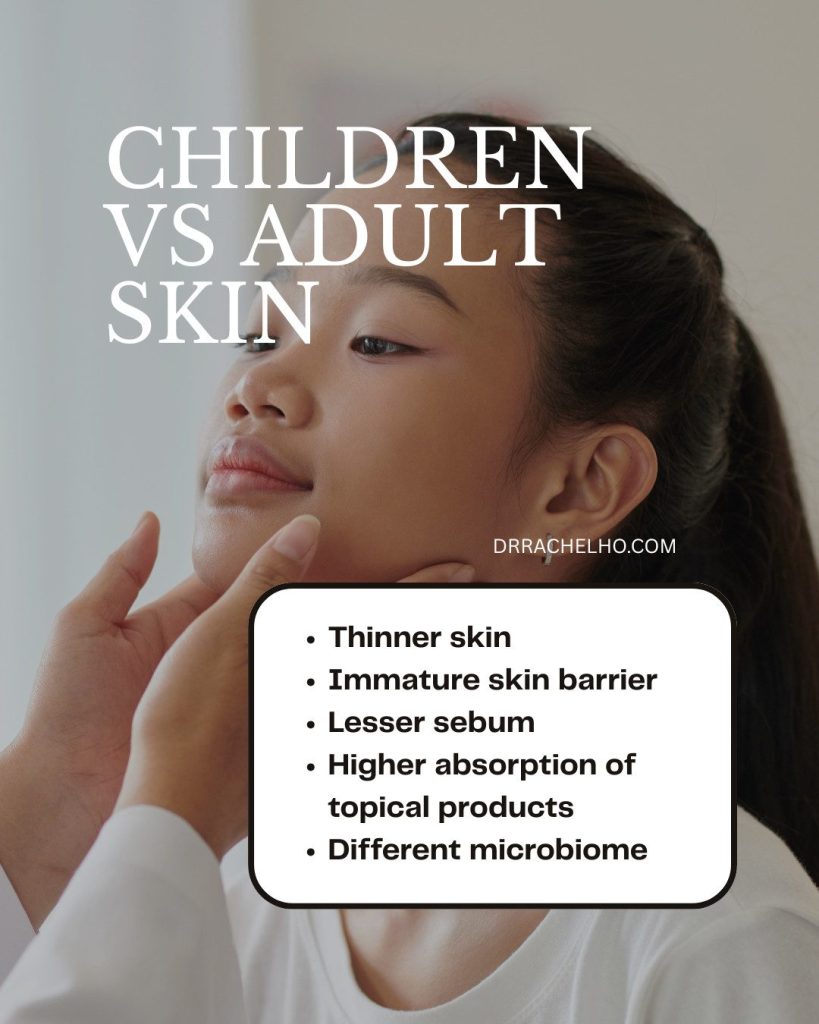
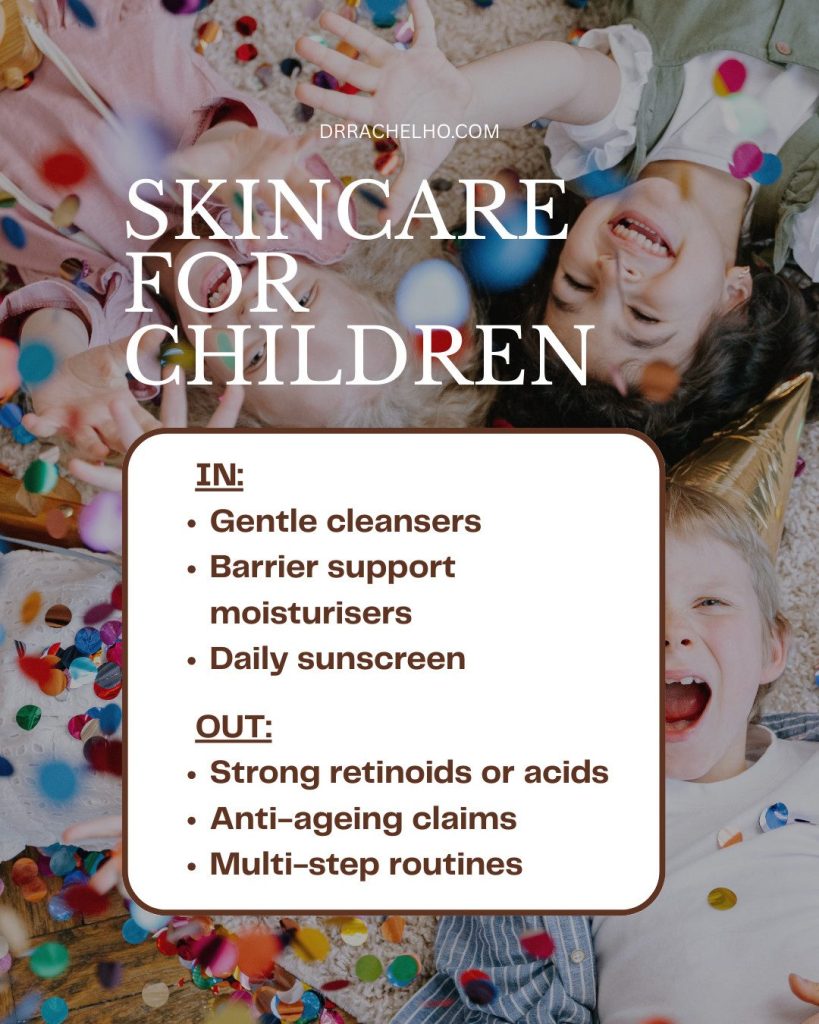
From a doctor’s perspective, teenagers can benefit from skincare, and I’ve shared these details in Baby Beauty Influencers & Gen Alpha Skincare. The pitfall is that the skin barrier in children is less mature than adults; and the risk of irritation and skin barrier damage from strong actives and most tweens do not need multi-step routines or anti-aging ingredients. From this perspective, emergence of age-appropriate skincare brands is not inherently negative, if the products can cater and guide tweens towards healthy skincare routines, such as sunscreen use in the day.
AI in beauty in 2026: personalisation and supporting clinical care
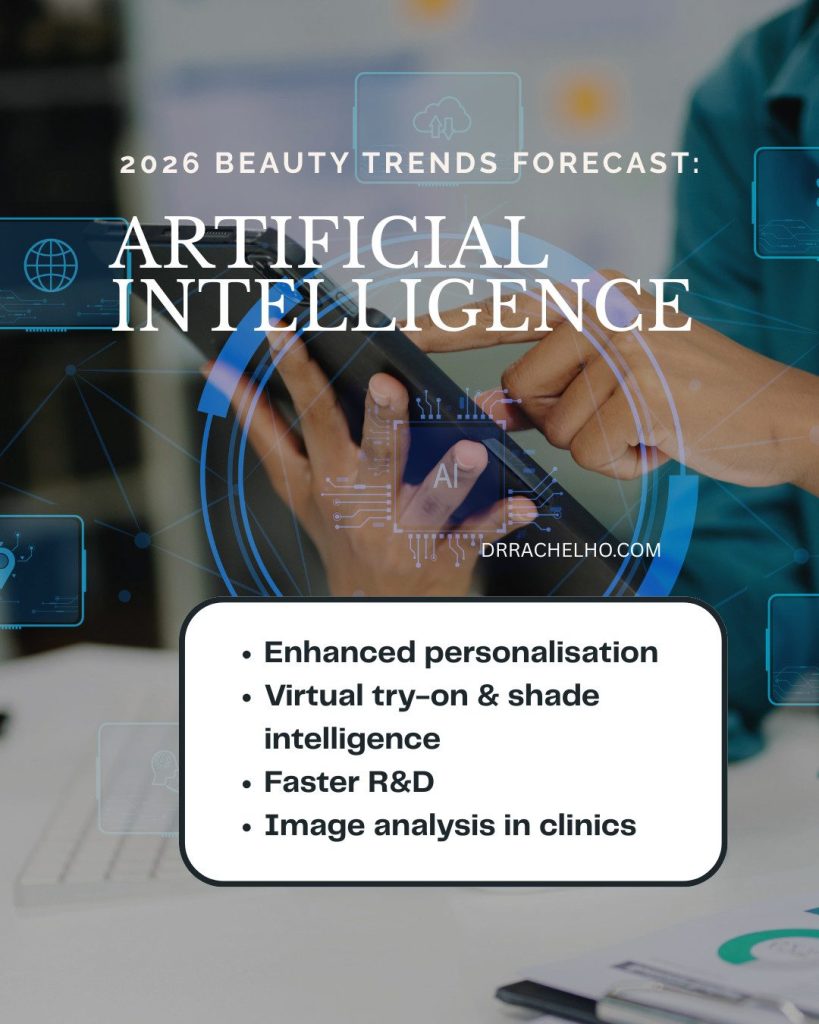
AI’s functions in the beauty industry will continue to expand across multiple layers. AI as an operational tool will influence how people discover, evaluate, and purchase beauty products—from shade matching and virtual try-ons to routine recommendations. Examples include Perfect Corp, an AI system used widely by beauty brands. Its ModiFace technology provides realistic virtual try-ons for makeup brands including MAC, Estée Lauder, and feeding real-world user data back into product selection, shade expansion decisions, and digital merchandising strategies.
Related blogposts:
Forecasting the Future of Beauty Tech with L’oreal Groupe
How is Technology Disrupting the Beauty Industry?
In the clinic, AI-assisted image analysis is already being used to support continuity of care for chronic dermatological conditions such as acne and skin cancer surveillance, and support doctors in decision making. For example, FotoFinder is a high-resolution imaging and AI platform used in dermatology clinics for mole mapping and melanoma surveillance. AI assists in detecting changes over time, supporting longitudinal monitoring. These AI assisted systems are trained on large image datasets and can flag patterns that warrant closer evaluation. However, limitations and biases in training data can affect diagnostic accuracy across skin tones, ages, and conditions; especially for minority races who are often underrepresented in these studies.
Conclusion on beauty trends 2026- What’s in and what’s out?
As we look ahead to 2026, beauty is becoming more precise and credible. The shift towards skin longevity, supporting the skin barrier and addressing the skin changes during menopause and ageing signals a shift towards supporting skin biology and a preventive proactive approach towards skin ageing. Dramatic, distorted cosmetic work is out; and in its place are more subtle, holistic and regenerative approaches towards aesthetics.
Skincare will also be smarter, and more sensorial; with brands that can anchor their science with emotional values well poised to grow in 2026. We already see this trend taking off for tween skincare and fragrances. AI is also accelerating these changes in beauty and aesthetics by improving personalization and decision making.
As an aesthetic physician, what stands out to me most about the direction of beauty in 2026 is the growing maturity of the conversation. I see patients who are less interested in looking “different” and more focused on maintaining skin longevity, function, and confidence across changing life stages, particularly through perimenopause and menopause. There is a clearer understanding that good outcomes come from respecting biology and skin health- it’s not a case of the more the merrier but understanding and personalising your choices. Less is more, and informed, thoughtful choices in skincare and treatment choices can sometimes be more beneficial than chasing trends or excessive treatments.
References
1. Longevity cosmeceuticals as the next frontier in cosmetic innovation: a scientific framework for substantiating product claims. Klinnngam et al. Front Aging. 2025 May 22;6:1586999.
2. Hallmarks and Biomarkers of Skin Senescence: An Updated Review of Skin Senotherapeutics. Bulbiankova et al. Antioxidants (Basel). 2023 Feb 10;12(2):444.
3. Targeting Cellular Senescence with Senotherapeutics: Development of New Approaches for Skin Care. Thompson et al. Plast Reconstr Surg. 2022 Oct 1:150:
4. 2026 Global Beauty & Personal Care Predictions. Mintel.
5. Beauty Consumer Trends: Key Insights from the Voice of the Consumer Survey. Euromoniter. 11/11/2025
6. US Beauty Industry Grows in the First Half of 2025, Circana Reports.
7. State of Beauty 2025: Solving a shifting growth puzzle. Mckinsey. June 9, 2025 | Report
8. Fragrance to drive 23% of beauty growth as ‘Recession Glam’ takes hold. Euromonitor. 22 July 2025.
9. State of Beauty 2025: Unlocking Growth in a Transforming Industry. NIQ. 08 September 2025
10. 9-Month US Prestige Beauty Sales Total $24.1B, Mass Hits $54.5B, Pick Up Momentum Going Into Holidays. Global Cosmetic Industry. Nov 18th, 2025
11. ISAPS Global Survey 2024.
12. The Holiday Pivot: Why Age-Based Retail Segmentation No Longer Works. Brian Delp, Forbes. Dec 21, 2025.
12. Gen Alpha Shopping Trends to Expect in 2025 and 2026. Shawn Paustian, Numerator. 09.16.25

No Comments