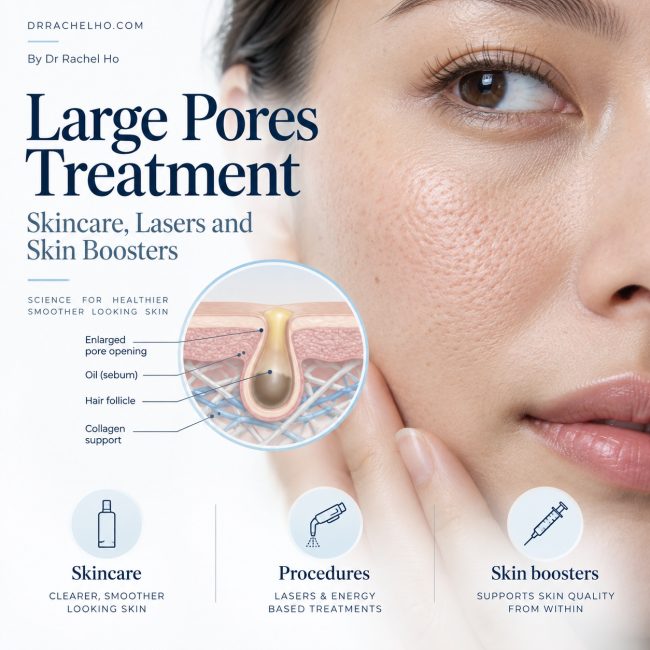
Large Pores Treatment: What Skincare and Treatments Work?
Dr Rachel Ho reviews treatments for large pores, including skincare, fractional CO2 laser, RF microneedling and ECM, PDLLA and PDRN skin boosters.


Dr Rachel Ho reviews treatments for large pores, including skincare, fractional CO2 laser, RF microneedling and ECM, PDLLA and PDRN skin boosters.
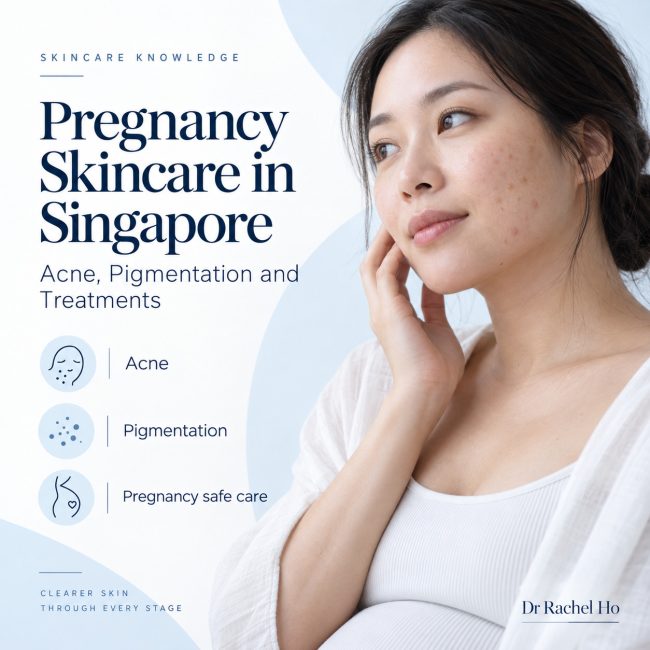
A doctor’s guide to pregnancy skincare in Singapore, covering acne, melasma, sunscreen, ingredients to avoid and when to postpone cosmetic treatments.

Does cult beauty brand, The Ordinary, live up to its expectations of high quality skincare products at affordable prices? Ahead of its arrival in Singapore, I'll be sharing my hits and misses from The Ordinary's line up, decode their ingredients and share how you can incorporate some of these products in your daily routine based on your skin type.
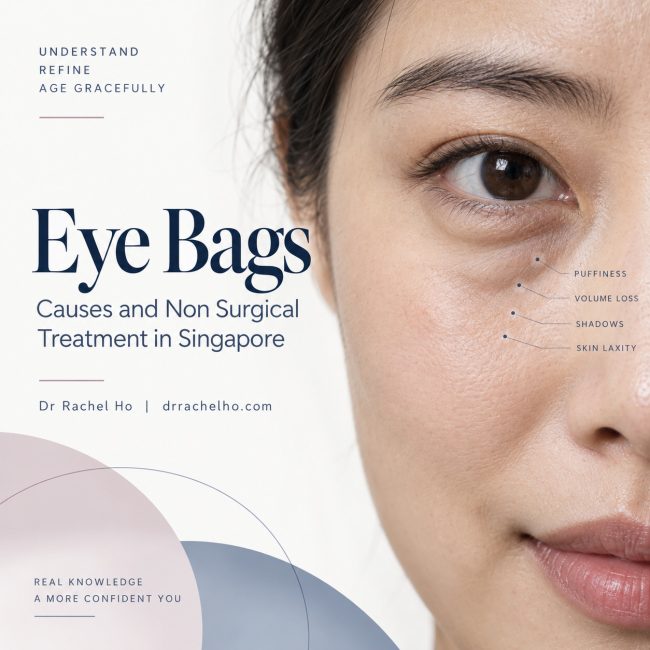
Dr Rachel Ho explains eye bag causes and compares non-surgical eye bag treatments in Singapore including tear trough filler, ECM skin boosters and RF microneedling , including benefits, risks and recovery.

Nose filler is a popular non-surgical nose job that corrects low, flat and deformed nose bridges and nose tips. The basics of nose fillers and the side effects explained in this review on nose fillers.
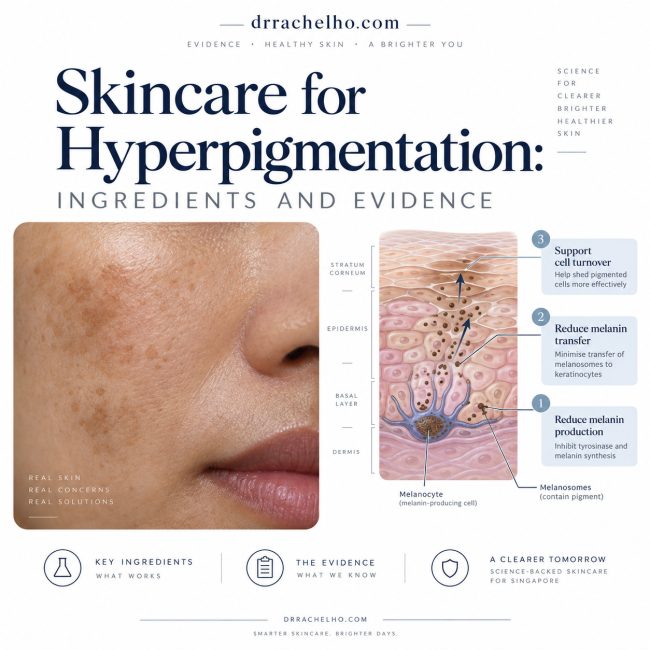
Dr Rachel Ho explains hyperpigmentation skincare in Singapore, including tyrosinase inhibitors, niacinamide, retinoids and exfoliation for dark spots.

IV skin whitening drips are immensely popular in Asia. Do skin whitening drips and bleaching creams work? Why are skin lightening treatments controversial? All about the results and safety of IV whitening drips and skin lightening creams in this review.
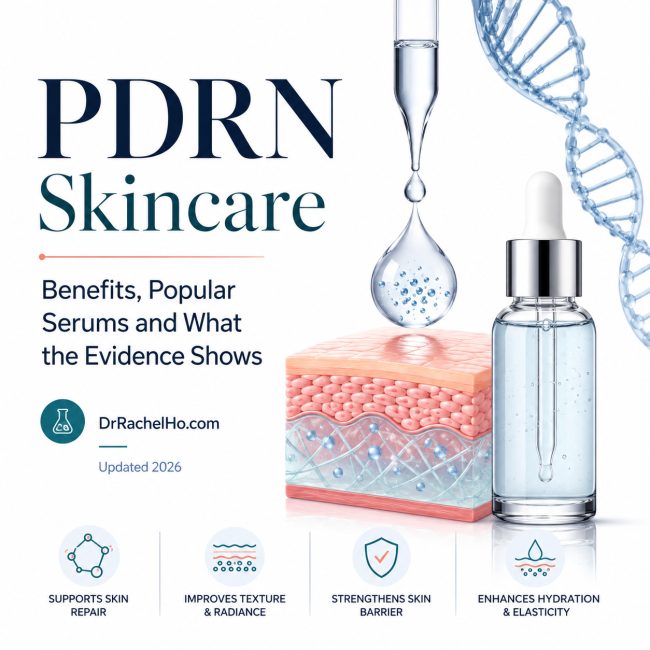
Dr Rachel Ho explains PDRN skincare, salmon DNA, popular serums, evidence, side effects and how topical PDRN compares with injections i.e. PDRN skin boosters like Rejuran and Plinest.
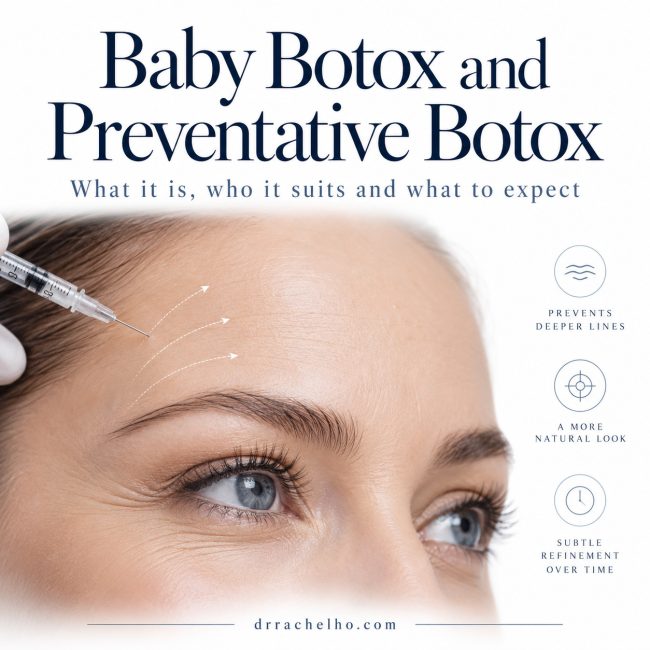
Baby Botox and preventative Botox explained: low-dose treatment, duration, wrinkle prevention evidence, suitability in your 20s and 30s, and risks.
