


07 Apr AMWC Monaco 2026: Key Trends in Skin Longevity & Regenerative Aesthetics
AMWC Monaco 2026: Skin Longevity & Regenerative Aesthetic Trends
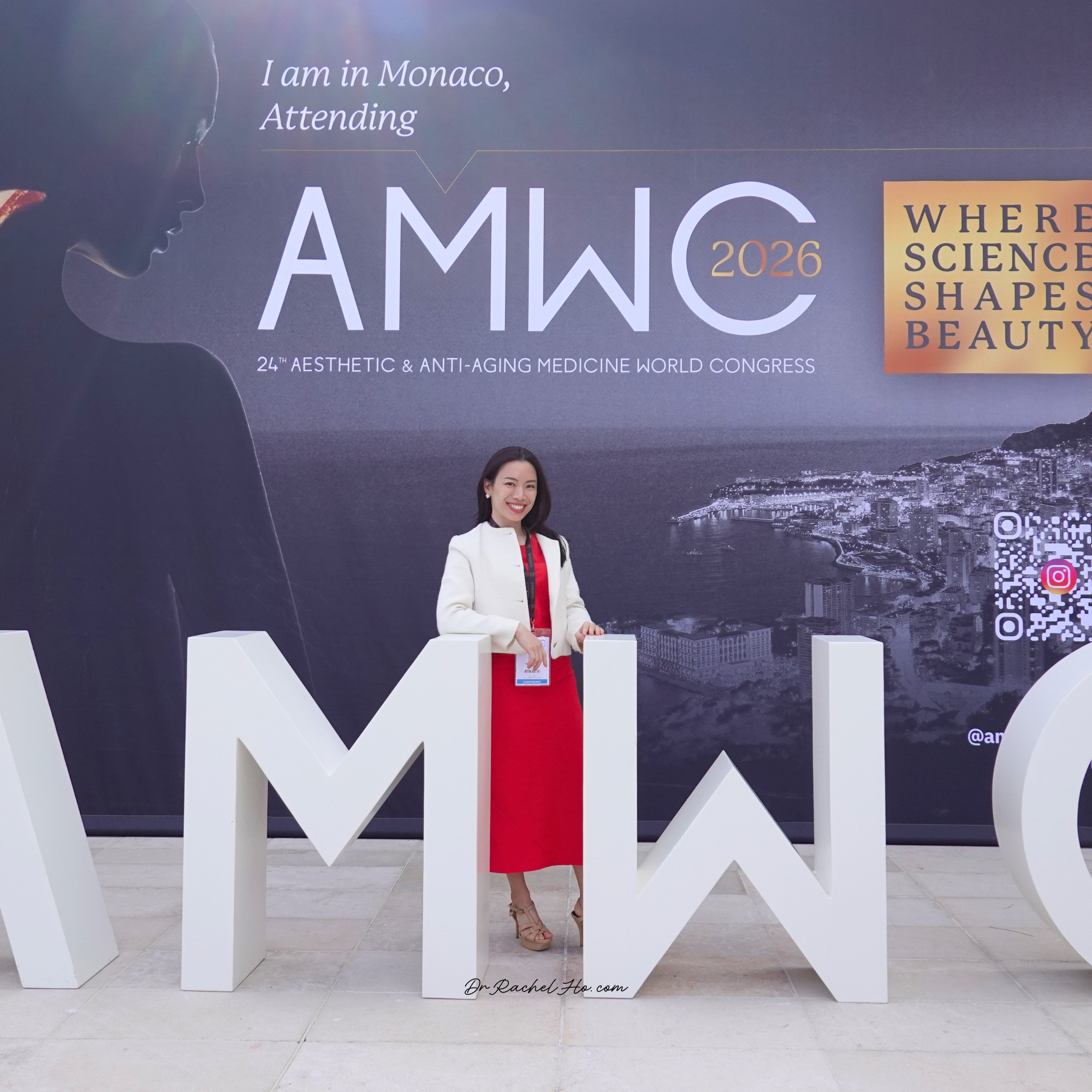
One of the aspects of aesthetic medicine is the fast paced nature of its growth and evolution. This specialty moves quickly with new technologies, evolving science, shifting trends. Staying at the forefront of aesthetic dermatology requires more than staying up to date by reading journals. It also means showing up where the conversations are happening, before the findings get published and learning from the experts pushing the field forward. For this reason, I travelled all the way from Singapore to Monaco for the Aesthetic & Anti-Aging Medicine World Congress (AMWC) 2026. It was a long flight (15 hours in total!) but learning from the world’s leading experts in aesthetic dermatology was exactly where I wanted to be.
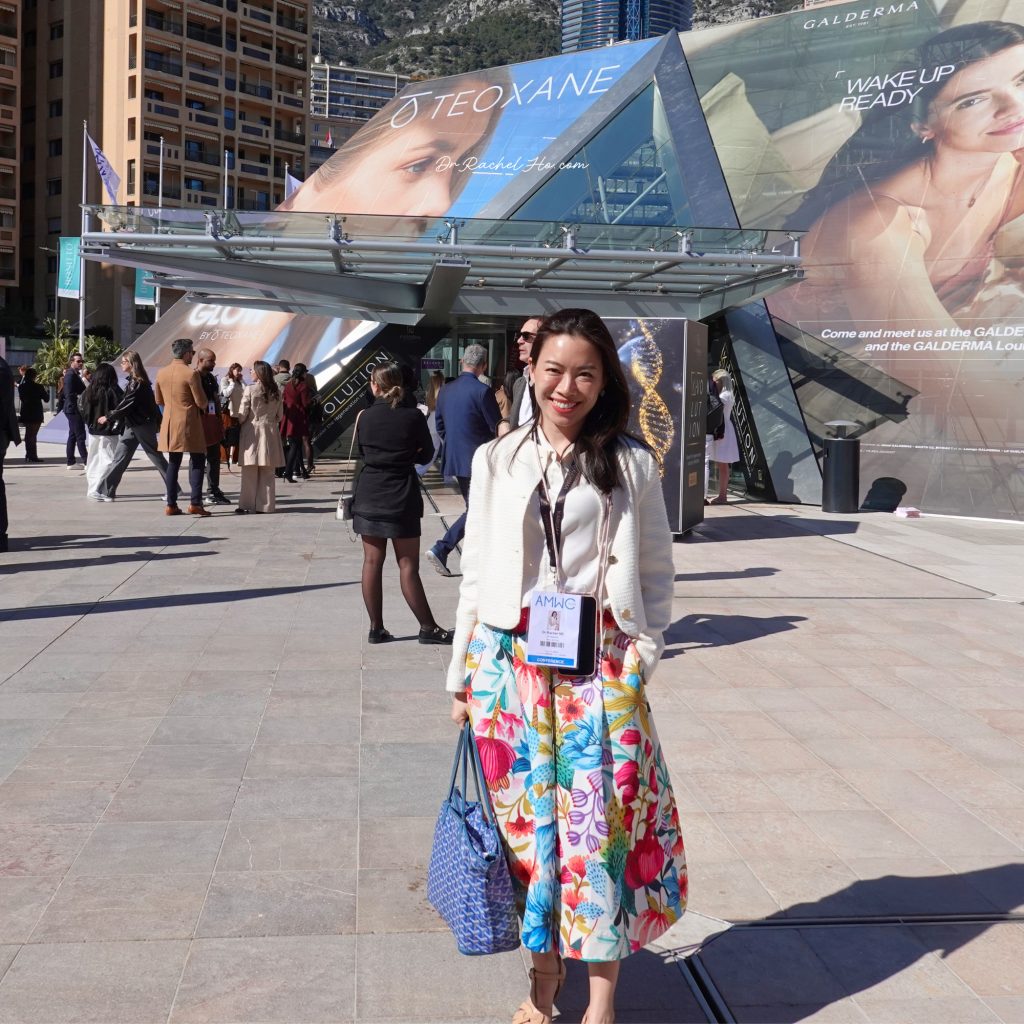 At the Grimaldi Forum in Monaco for the AMWC 2026!
What Is AMWC and Why It Matters in Aesthetic Dermatology
The Aesthetic & Anti-Aging Medicine World Congress (AMWC) is one of the world’s leading conferences dedicated to aesthetic and anti-aging medicine. It brings together dermatologists, plastic surgeons, and researchers to share evidence-based advancements, clinical techniques, and emerging technologies. The programme extends across multiple parallel tracks including injectables, energy-based devices, dermatology, regenerative medicine, longevity, as well as practice management and complications in a variety of scientific sessions, live demonstrations, workshops and panel discussions over over three packed days from March 26 to 28 in 2026. Given that so many of these sessions were running simultaneously, I had a tough time choosing my agenda for each day.
Key Trends at AMWC 2026: Skin Longevity & Regenerative Aesthetics
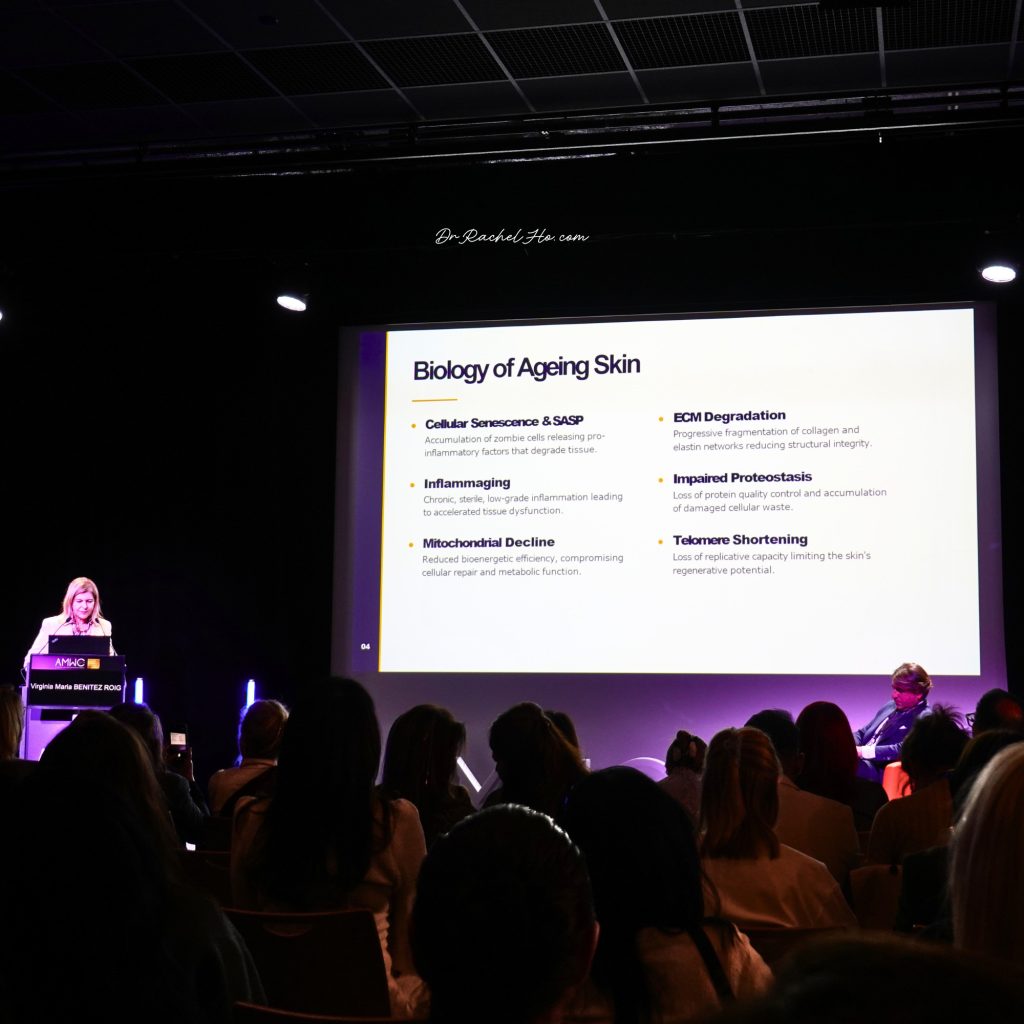
This year’s programme had a strong emphasis on regenerative aesthetics, longevity, and the biology of aging, including discussions on inflammation, cellular senescence, and the extracellular matrix. Skin quality emerged as a key endpoint, rather than just wrinkle reduction, alongside a strong focus on combination treatments to achieve more natural and longer-lasting results. These topics reflect a shift in beauty trends and demands towards evidence-driven, regenerative, and holistic care that prioritises natural-looking results, tissue health, and long-term patient wellbeing. This resonated deeply with me, because it aligns so closely with my safety-first, evidence based and “less is more” philosophies of my own practice.
As many sessions were being conducted simultaneously, I had a tough time choosing my agenda for each day.In the end, I made a deliberate decision to attend the most relevant sessions for my clinic practice in Singapore: skin longevity, regenerative aesthetics, collagen biostimulators and live demonstrations by expert injectors.
Related blogpost:
What Is Skin Longevity? A Doctor’s Guide to Healthier Skin Aging
Scientific Highlights & Controversies in Modern Aesthetic Medicine
The regenerative aesthetics track covered the full spectrum of exosomes, platelet rich plasma therapy, growth factors, polynucleotides, and stem cells, with an honest, evidence-based lens that I really appreciated. The exosome space has generated a lot of excitement and I was pleased that the scientific sessions had frank discussion about the controversies and regulatory uncertainties that still surround exosome therapy. Sourcing, processing consistency, and quality control remain legitimate concerns, and responsible practitioners need to have these conversations with our patients.
Related blogposts:
Beauty Trends Forecast 2026 — What’s In and Out
5 Aesthetic Treatments to Avoid
Vampire Facials and Platelet Rich Plasma (PRP) Therapy Explained
5 Scandals & Controversies in the Beauty Industry
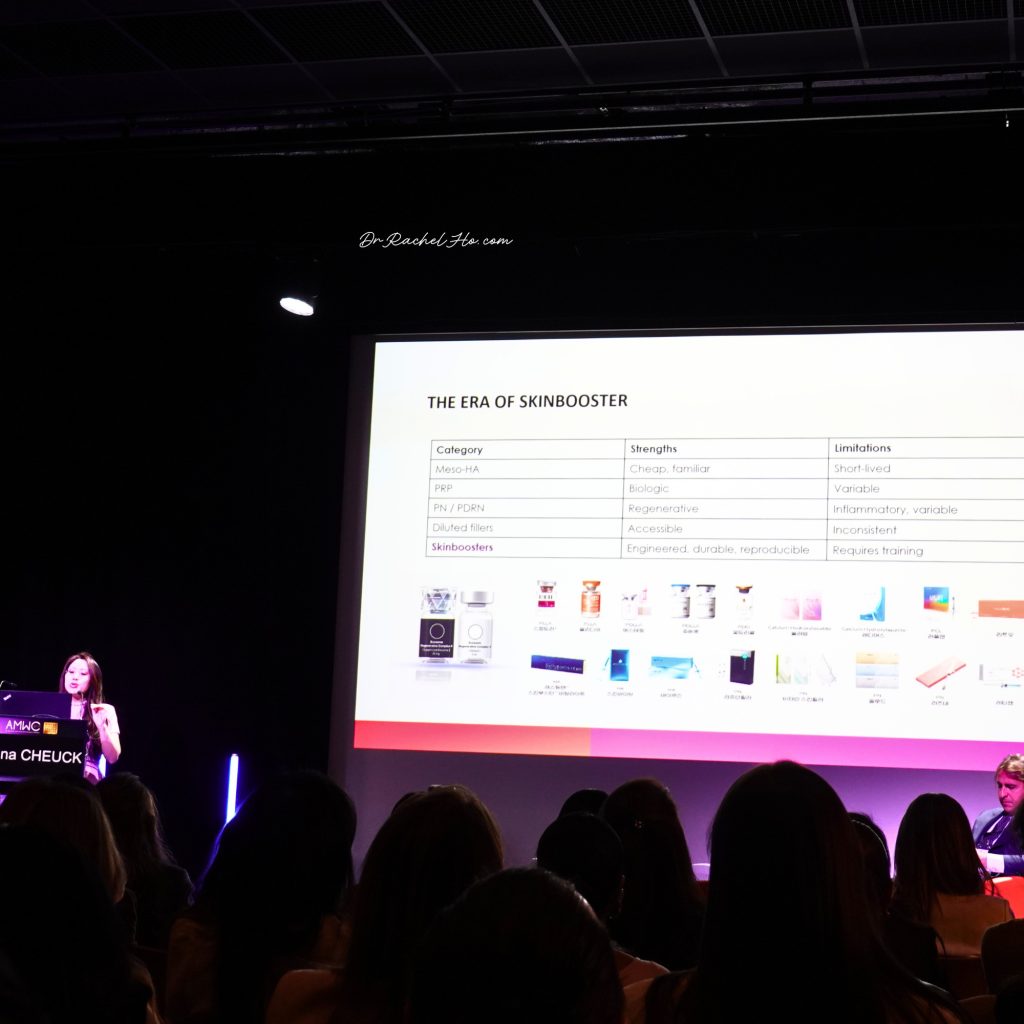
Exosomes were widely discussed, particularly around their mechanisms of action, variability in formulations, and the current lack of standardisation. Polynucleotides and skinboosters were also heavily featured, with increasing evidence supporting their role in improving dermal quality and hydration. Biostimulators such as calcium hydroxylapatite and poly-L-lactic acid were presented in depth in panel discussions for their roles in collagen induction and structural support. At the same time, there were robust and controversial debates surrounding PRP and stem cell therapies especially regarding regulatory frameworks, ethical considerations, and the gap between commercial availability and high-quality clinical evidence. These sessions were a timely reminder that while innovation is exciting, treatments must always be grounded in evidence and patient safety.
Related blogposts:
Does Exosome Skincare Really Work?
Exosomes Skin Treatments: the Buzzword in Dermatology
The biostimulators lectures and discussion were another personal highlight. Collagen producing biostimulators agents such as poly-L-lactic acid (PLLA) formulations, hydroxyapatite, and next-generation biostimulators are genuinely transforming how we approach facial rejuvenation and volume restoration. What struck me most was the growing body of evidence supporting their use not just for the face but across body applications. The emphasis throughout was on progressive, natural-looking results that improve tissue quality over time, which is exactly the direction I believe the field should be moving. Combined treatment protocols also featured prominently, with sessions exploring how to sequence and layer different modalities intelligently for personalised outcomes.
Related blogposts:
Is PDLLA the Next Big K-beauty Trend?
Is Collagen Skincare a Scam?
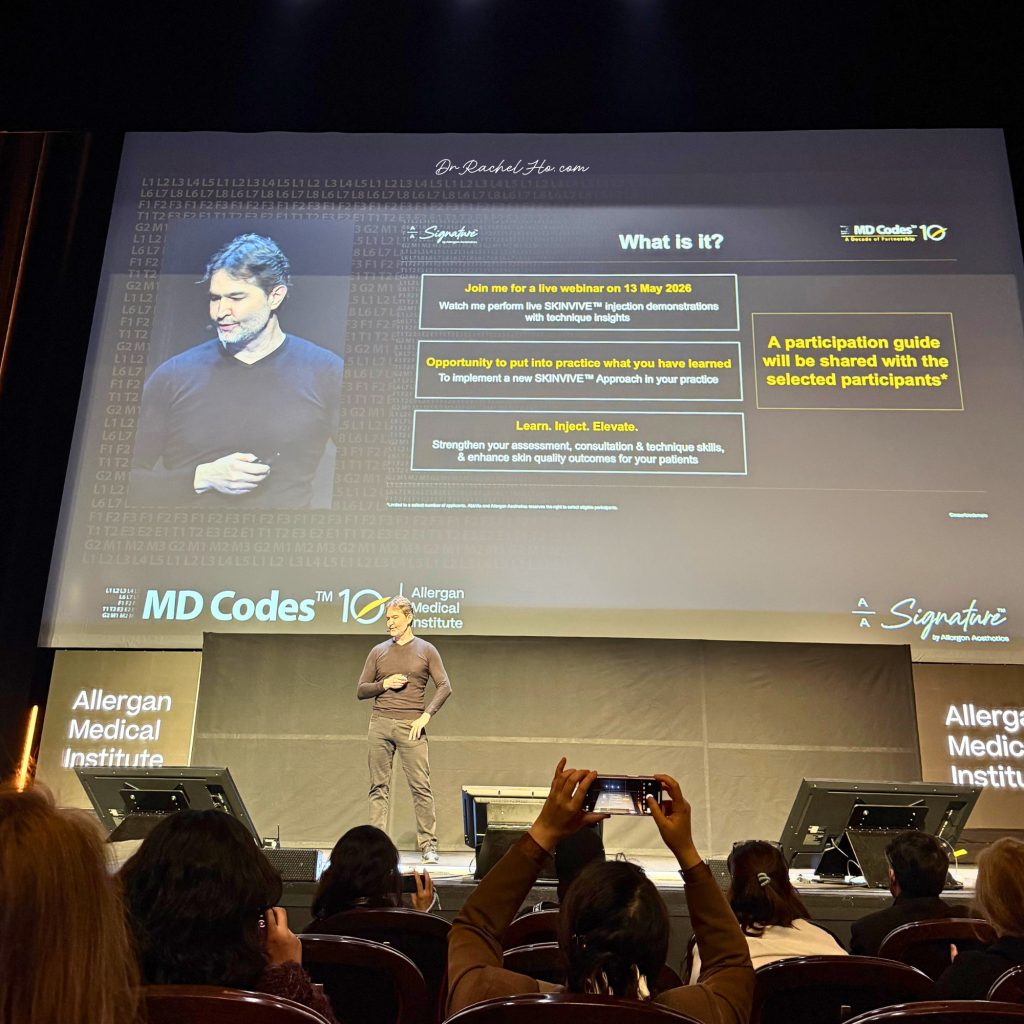
One of the sessions I was most looking forward to was attending a live injectable session featuring Dr Mauricio de Maio. Dr de Maio is a world-renowned plastic surgeon based in São Paulo, Brazil, and the creator of the MD Codes™ system, a structured, anatomically grounded injectable methodology that maps key areas of the face with specific injection points for safe and consistent results. I have attended Dr Mauricio de Maio’s MD Codes™ in person a couple of times before, and each time Dr de Maio always inspires and manages to share new techniques and pearls. This time in AMWC Monaco 2026, Dr Mauricio de Maio performed a live demonstration with a soon to be released collagen biostimulator in Singapore (first dibs here!) in combination with dermal fillers to simulate a face lift, without the surgery. This live demonstration by Dr Mauricio de Maio reinforced why structuring treatments matter so much in lifting and supporting the framework of the face, especially to avoid overfilled faces and complications.
Related blogposts:
Tell Tale Signs of Too Much Filler Injections
Too Much BTX: Botulinum Toxin Gone Wrong
View this post on Instagram
Outside of these scientific sessions, I also explored the exhibition booths at AMWC 2026. Exhibition booths often offer a pipeline of innovation before it reaches our clinics in Singapore. From new generation energy-based devices to advanced injectables and cosmeceuticals, I got to see firsthand some of these technologies and formulations that are not available in Singapore yet. I also had the opportunity to speak directly with the developers and review early clinical data for a deeper understanding of the science and safety behind these products.
My Key Takeaways from AMWC 2026
Looking back on AMWC 2026, a few takeaways that stood out for me:
1. Regenerative aesthetics like exosome therapy is undoubtedly an exciting frontier, but it must be approached with scientific discipline and safety rather than driven purely by trends.
2. The undetectable era of aesthetics signals a shift towards improving skin quality and structural support. The goal? Natural and noticeable results where you look like yourself, just healthier and more rested. This aligns very closely with the aesthetic preferences I see here in Singapore, where subtlety and natural results are highly valued.
3. Practical insights and refined injection techniques to improve patient safety and treatment efficacy in my clinic.
4. Combination protocol or stacked treatments offer a holistic approach to addressing signs of ageing in the composite structure of the face. But, multimodal treatment must be planned and spaced intelligently, for synergistic results and safety.
5. Frameworks are important in aesthetic treatments. Structured methodology that is rooted in anatomy and clinical logic produces better, safer, more consistent outcomes than intuition alone.
How I Apply These Insights in My Singapore Practice
AMWC 2026 was a reminder that the best doctors in this field have to keep learning. The aesthetic field is moving towards more precise, personalised and restrained treatment outcomes; but with more treatment options available, the responsibility lies even more heavily on the practitioner to choose appropriately for each patient. Returning to Singapore, I will integrate relevant and evidence based tips into my clinical practice and continue to bring a less is more, personalised approach towards aesthetics and skin longevity for my patients. Till the next congress!

No Comments