


09 Dec Best Ways To Fight Aging: Anti-Aging Skin Tips
Unlike wine, our skin does not get better with age. Blemishes, wrinkles, fine lines and saggy skin are just some of the horrors of age. While aging is inevitable, aging beautifully and gracefully is not. The best way to keep your skin and face looking young and refreshed is by prevention and maintenance. That’s right! Preventing and slowing down the signs of aging is a lot easier than it comes to treating age spots, saggy skin and wrinkles. The best part is, you don’t necessarily need invasive treatments like facelifts and injections to keep your skin looking beautiful naturally. So, for all you people out there who want to prevent skin aging but are afraid of needles, downtime and pain, I’ve written this specially for you!

One of the backbone of anti-aging is having the right skincare. Think about it, even if you see your doctor monthly for your treatments, if you do not use the right skincare to protect your skin, the damage done to your skin from the sun and environmental pollutants and oxidants will continue to accelerate damage to the skin. Having the right combination of skincare is also synergistic in delaying and reversing the signs of aging, so what you do at home is as important as what your doctor can do for you!
1. Vitamin A
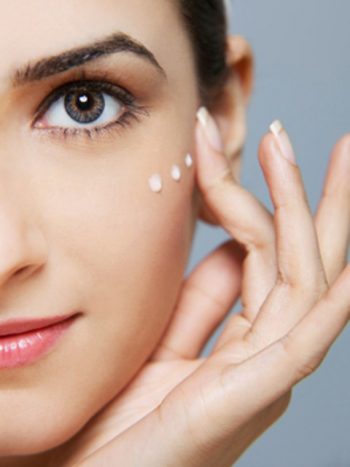
The most well studied anti-aging ingredient and staple of anti-aging skincare is vitamin A. Vitamin A has been shown to reduce fine lines and wrinkles and improve collagen production by the skin. Retinol is an over the counter Vitamin A derivative that gets converted to tretinoin (the active form of Vitamin A) by the skin. Using skincare that has been well formulated with retinol can reduce sun damage, pigmentation, lines, wrinkles and large pores on the skin by resurfacing the skin’s texture for a smoother and even complexion.
Retin A or Tretinoin is the active form of Vitamin A. It is more potent that retinol and more effective at treating wrinkles and pigmentation compared to retinol but Retin A is associated with skin irritability and dryness. It is never too late to start on Vitamin A but do note that it is best to discuss this with your doctor prior to starting because conditions like rosacea and eczema can be worsened with Vitamin A.
2. Sunblock
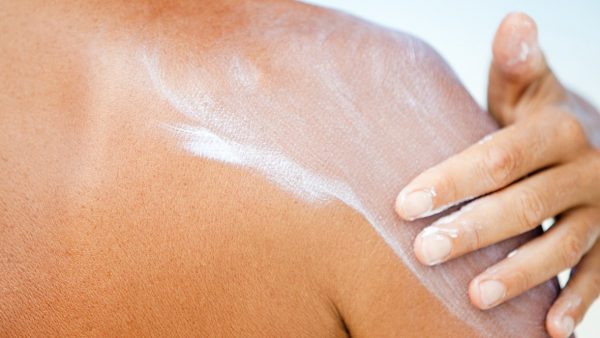
Another fundamental of anti-aging in skincare is sunprotection. There are 2 ways that the skin undergoes aging- by intrinsic aging and extrinsic aging. Intrinsic aging is genetically predetermined and is also known as chronological aging. Extrinsic aging is when environmental and lifestyle factors like UV rays and environmental pollutants accelerate the aging process and cause the appearance of pigmentation like sunspots. One way to protect your skin from these harmful UV rays that cause pigmentation, sunburns and skin cancer is to use sunblock on all exposed body surfaces. Yes, that means your face, neck and limbs.
Tip: choose a broad-spectrum sunblock that targets both UV A and UV B rays from the sun. The sun protection factor (SPF) of your sunblock should be at least; any less would not be useful in protecting the skin.
3. Q-switch laser

Q-switch laser is better known as the “red carpet laser facial” that targets pigmentation, pores and pimples without causing downtime. It also has the added benefit of stimulating collagen regeneration over weeks to remove years off your face.
4. Glycolic acid chemical peel
The brightening and exfoliating properties of glycolic acid chemical peels are a favourite in anti-aging arsenal. Glycolic acid is an alpha-hydroxy-acid peel, also known as a fruit peel. Glycolic acid repairs and renews the skin with deep exfoliation and encourages production of collagen to improve the skin’s protective barrier.
Compared to other chemical peels, glycolic acid is a tried and tested peel for years to treat signs of aging and pigmentation. Although it is gentle on the skin, a glycolic acid chemical peel is strong enough to brighten and refresh skin to take years off your face.
5. Antioxidant serums

Another well-known mechanism of aging oxidative stress/damage. Reactive Oxygen Species (also known as free radicals) in the environment cause oxidative damage to essential components of cells including the DNA of cells. Most of the time, our cells can repair the damage. However, our cells lose this reparative ability as we age. When cells lose the ability to repair themselves, the cells die. In the skin, this leads to signs of aging like wrinkles, loss of elasticity and sagging.
Free radicals are everywhere and it is impossible to avoid them. UV rays from the sun, air pollution, smog and cigarette smoke are just some of the sources of free radicals in the environment.
One way to defend our body and skin against these harmful free radicals is with the use of antioxidants. Antioxidants function like antidotes to neutralise the free radicals before they damage the cells.
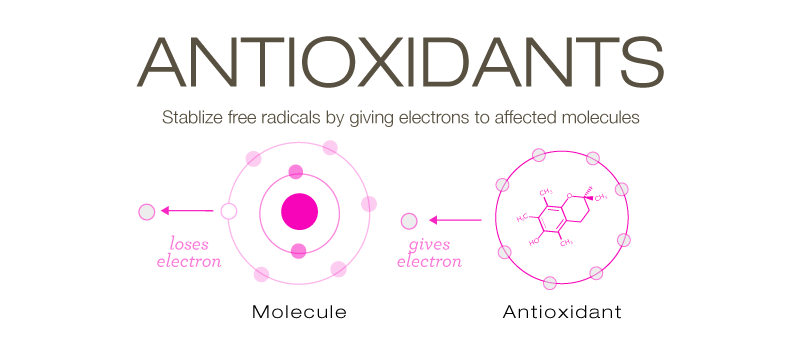
Examples of antioxidants are Vitamin C, Vitamin E, Glutathione, Idebenone and red algae. When applied to the skin before applying sunblock, antioxidants serve as an additional barrier to sunrays that penetrate through the sunblock because sunblock is not 100% protective. Antioxidants also have the additional benefits of lightening pigmentation and brightening skin too! For best results, choose a lightweight antioxidant serum to be applied to the skin first before layering on your moisturiser and sunblock.

No Comments